

On Creative Places
Santa Fe, Iceland, Zoom, and the spaces where creativity happens.

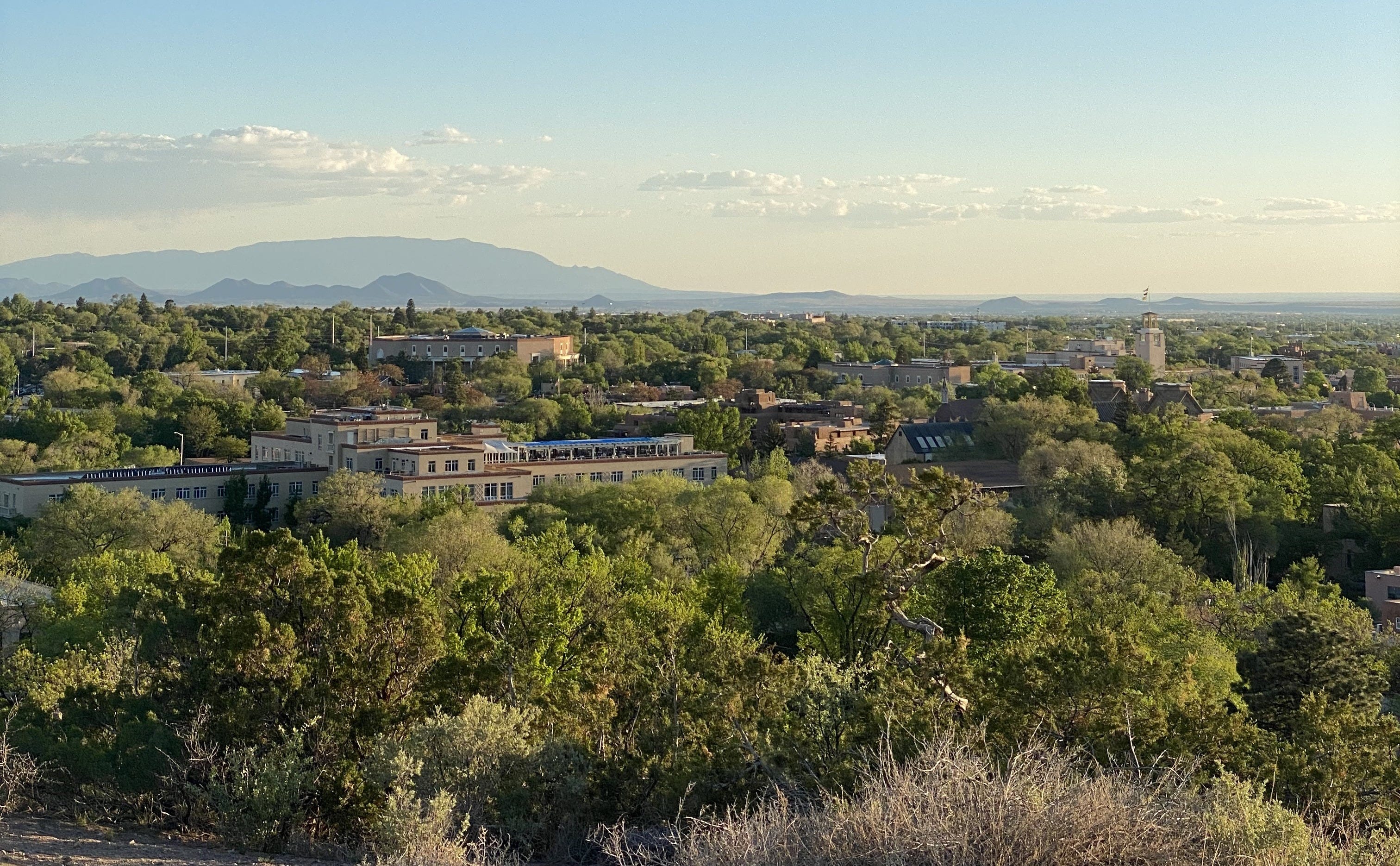
Two years ago I found myself in Santa Fe.
I blame the flyer. Spotted while wandering around AWP in Kansas City:
The Santa Fe Literary Festival.
Something about Santa Fe, and broadly New Mexico, spoke to me. In my fantasies, it was one of those places bursting with geological mystery and human creativity.
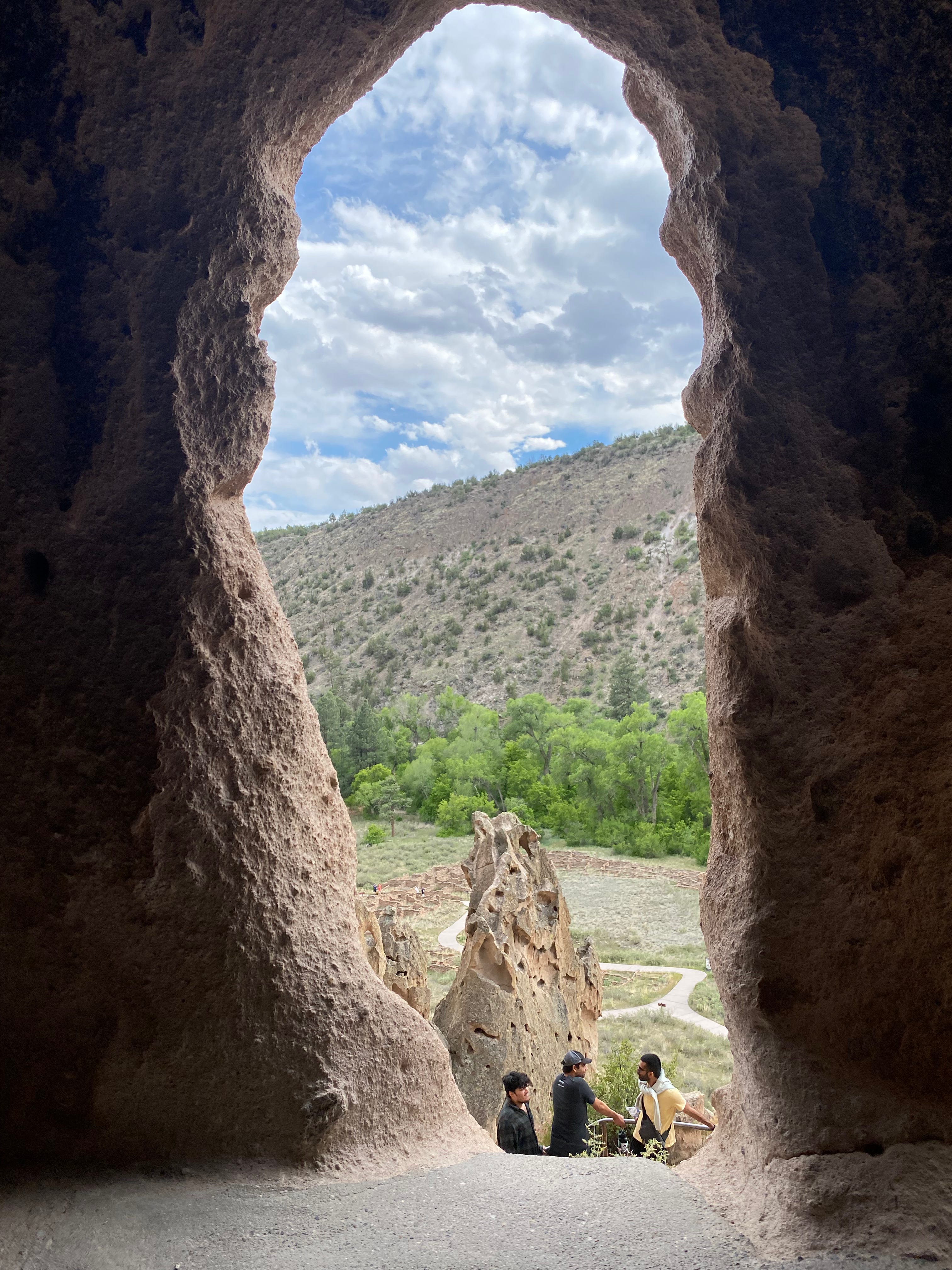
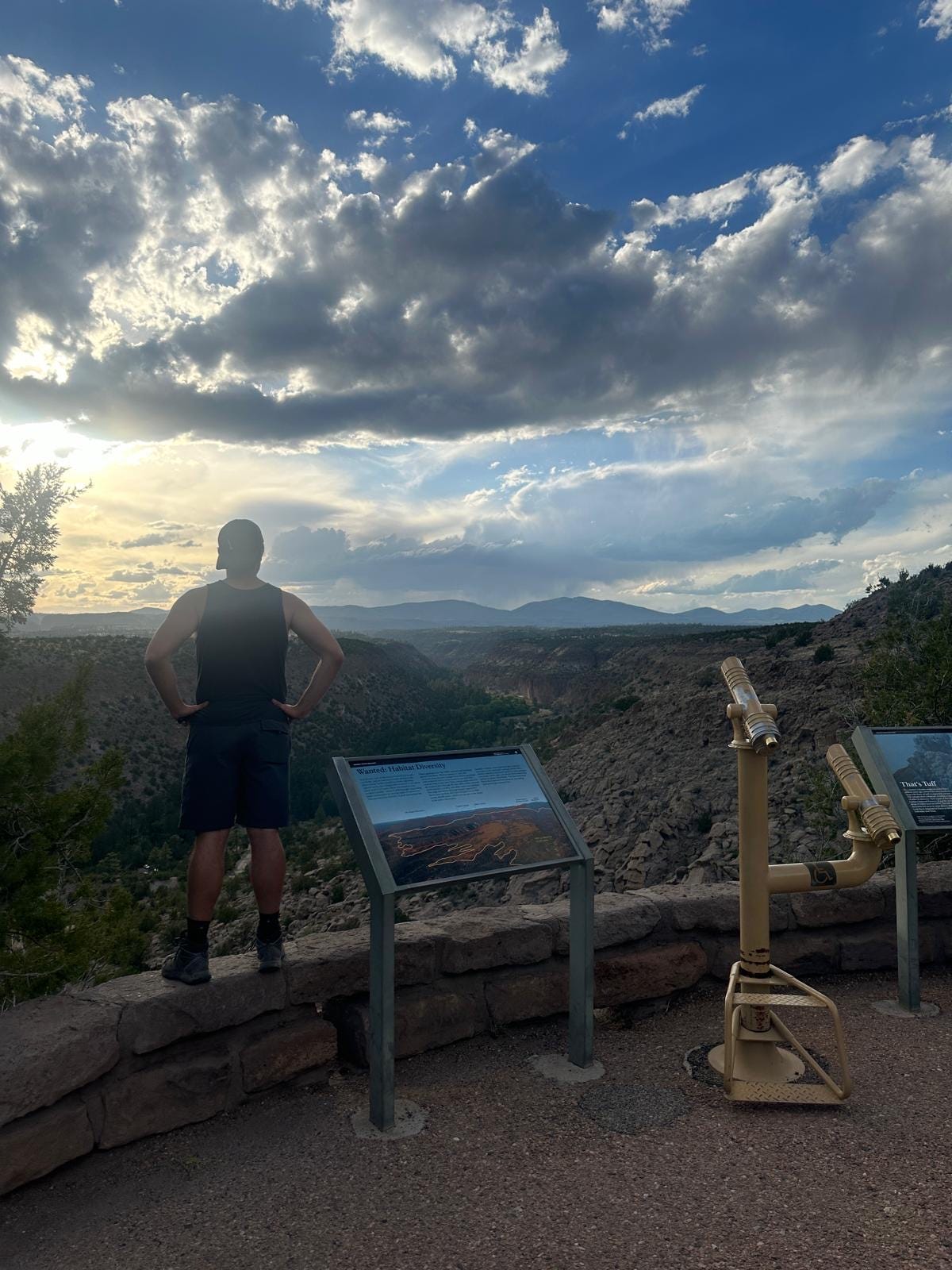
Over the course of a week, I walked a hundred miles trying to know this place that called me closer. I wandered downtown through the compact, knowable grid of pueblo-style buildings speckled with art galleries, antique stores, and cafès. I held holy dirt at Chimayo Sanctuary, pondered at the mysterious nail-and-glue-less Loretto Chapel staircase, sat in ancient dwellings at Bandelier National Monument, contemplated the elements that carved the Chaquehui Canyon, and watched a moonrise that reminded me: this place is closer to the cosmos.
Even driving through the hallowed grounds of Los Alamos, being asked to keep my eyes forward and my phone down, I felt the importance and pull of this place.
Clearly I wasn’t alone.
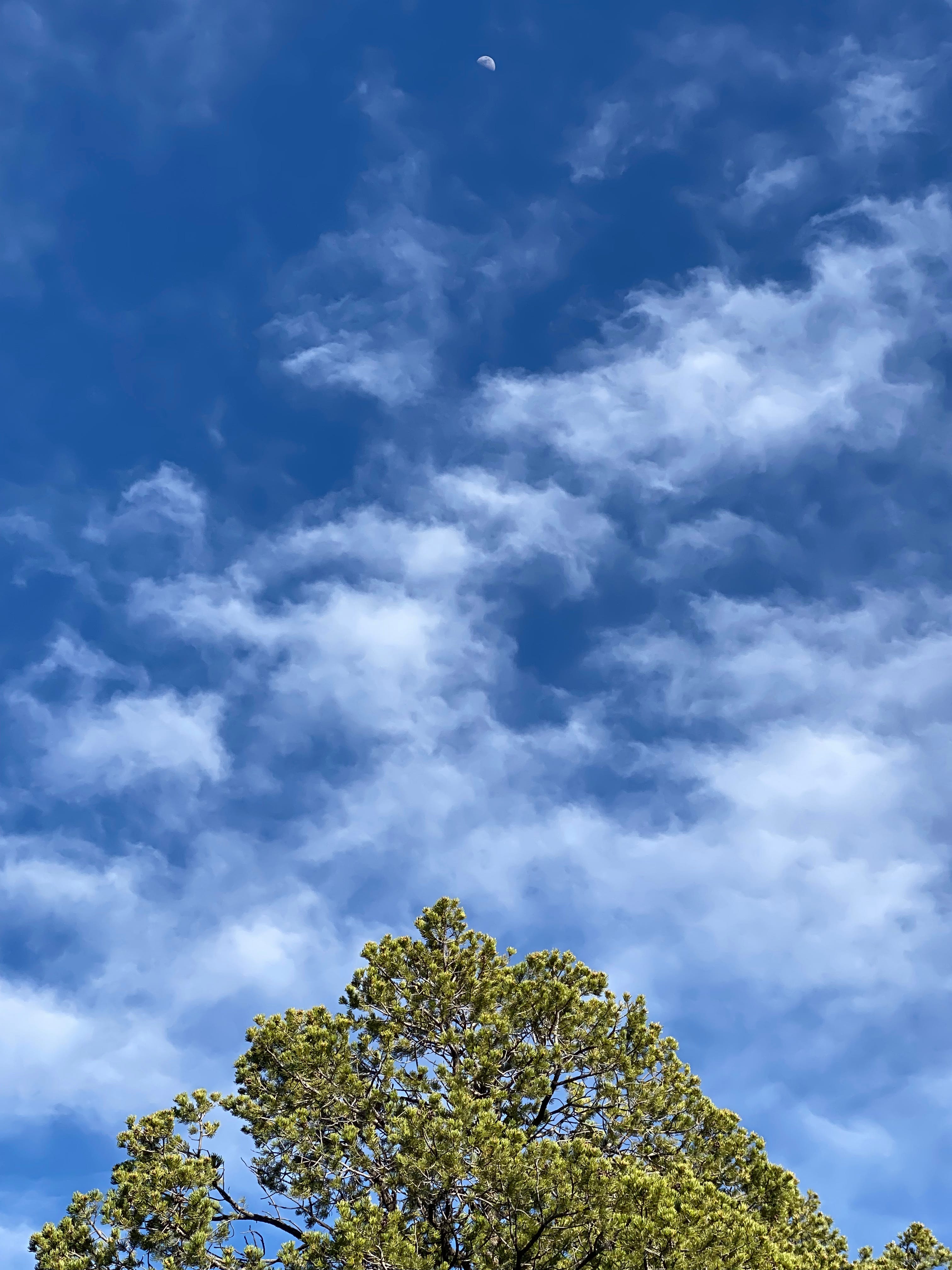
Georgia O’Keefe described the region’s magic that drew her in: “It’s something that’s in the air, it’s just different. The sky is different, the stars are different, the wind is different.”
The enormous landscape and high desert light inspired photographer Ansel Adams: “It is all very beautiful and magical here – a quality which cannot be described.”
Even after wandering every corner of the globe from Sri Lanka to Sicily, Australia to the Alps, writer D.H. Lawrence called New Mexico “the greatest experience from the outside world that I have ever had…the moment I saw the brilliant, proud morning shine up over the deserts of Santa Fe, something stood still in my soul, and I started to attend.”
The rich culture and rugged terrain convinced six painters to settle and start The Taos Society of Artists in the early 1900s. Hollywood mainstays like Robert Redford and Gene Hackman called it home at one point. Writers like Julia Cameron, Natalie Goldberg, and George R.R. Martin call it home today.
The area even compelled atomic bomb father Robert Oppenheimer. Years before locating Los Alamos outside of Santa Fe to combine his “two great loves…physics and New Mexico”, the landscape’s low hills and flowering yuccas inspired his poetry.
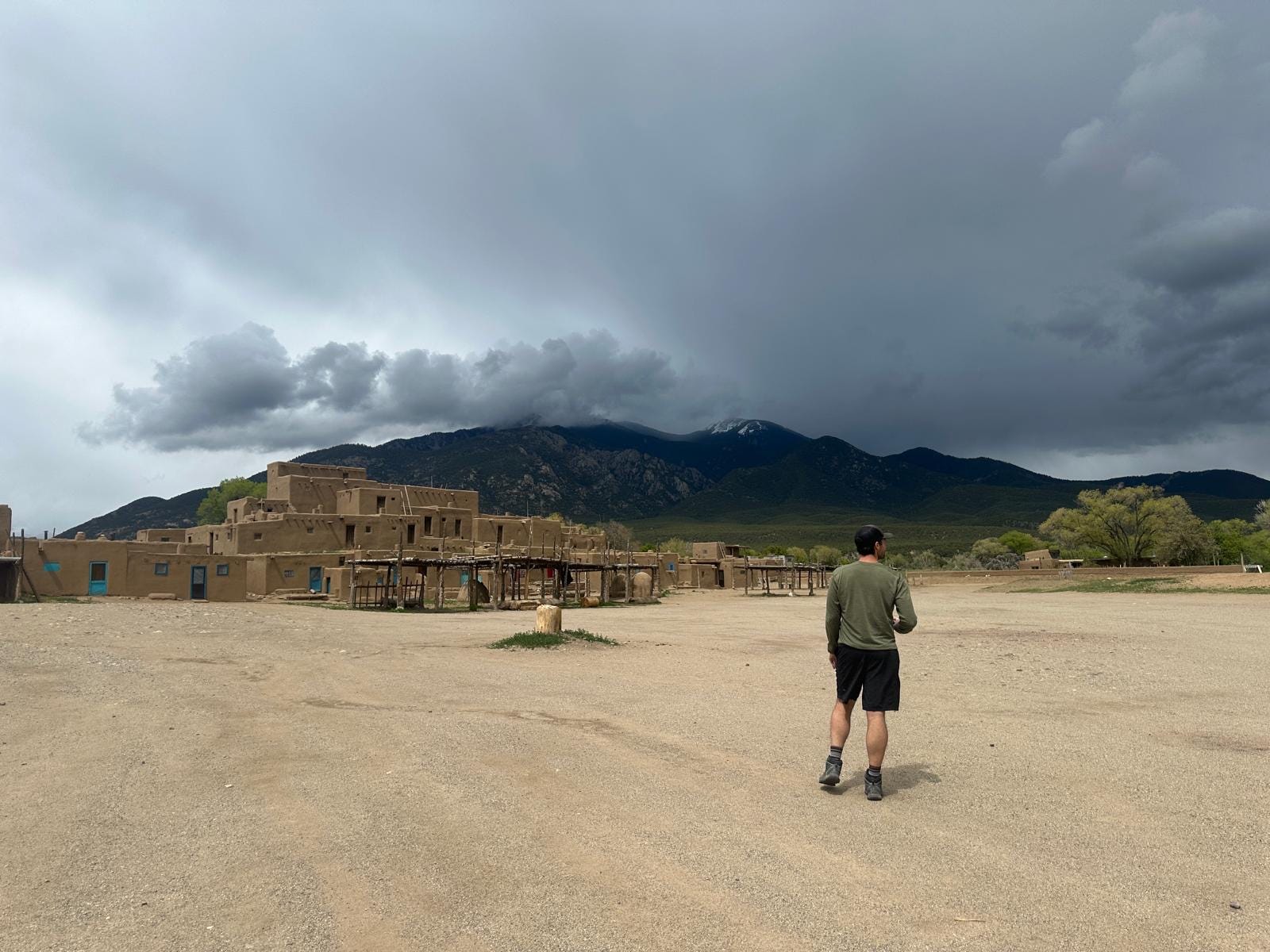
Of course long, long before these artists “found” New Mexico, native Puebloans intimately understood the creative and spiritual charge of the land they called home.
The origin myth of the Tewa people place the birth of humanity itself in the San Luis Valley to the north, with the first people emerging through Sipapu, a cosmic portal from the underworld. According to Tewa scholar Rina Swentzell, theirs is a world “thoroughly impregnated with the energy, purpose and sense of the creative natural forces.” Everything exists around a pulsing Po-wa-ha (water-wind-breath): the creative force causing life.
“Everything” includes everything – from the springs underneath, to the mountains cradling the community, to the houses and the dirt upon which those houses sit. Houses are “fed” cornmeal. The village is occasionally “healed.” Potters speak to the clay before shaping it, because the clay, too, is alive.
Today, Santa Fe punches above its weight as an arts and culture hub. For a capital city that’s only 10% of the population of Columbus, Ohio (90,000 vs over 900,000), it’s home to over 250 art galleries and celebrates numerous art and cultural events. According to UNESCO Creative Cities, “one in 10 jobs are tied to arts and cultural industries,” and just last year, Santa Fe claimed the #1 spot on Travel + Leisure’s top US cities.
It’s clear: people are pulled by this land.
And people are pulled to create while on this land.
What is it about Santa Fe?
Why was it, and is it still, a magnet for so much creativity?
How much of its magnetism is the gravitational pull of the Sangre de Cristo Mountains cradling the area? Or the drama of the Rio Grande rift underneath, perpetually pulling the land apart, widening the Sipapu and luring our souls deeper into our own creative depths? Does thin, high desert air rearrange the molecules in our mind in some inexplicable way? Is the area’s Po-wa-ha perfectly aligned that we, Tewa or not, feel it deep inside our bones?
Does it have anything to do with ley lines, atrocartography, crystalline formations, quantum entanglement or other phenomenon science knows little about?
Or is it simply that vastness and vistas – whether mountains, sea, and sky – stir our dormant longings, make us question our existence, and inspire us to create?
More broadly: Why do certain places pull us, while others do not?
Especially creative people.
People who identify as “creative” – in profession, hobby, or proclivity – seem to be most susceptible to the pull of place, and most likely to rearrange their life to honor it.
For 15 years, I’ve wrestled with a question.
There seem to be certain places in the world where creativity happens, and where it does not.
Where a disproportionate number of people dedicate themselves to a creative practice, and where they do not.
Where creative energy pulses palpably, and where it does not.
What makes a “creative place”?
Why do certain places pull artists and creatives over time — whether that place is a room for an hour, a scene for a season, or a city over a decade or more — and make it conducive for creating and sustaining a creative life?
What are the conditions, factors, and influences that forge such a space?
(And is there even such a thing as a creative place? Or is this just a rosy, ignorant, outsider’s view? Am I confusing mystery with novelty? Phenomenon with foreign?)
And while Santa Fe is spectacular, how unique is it?
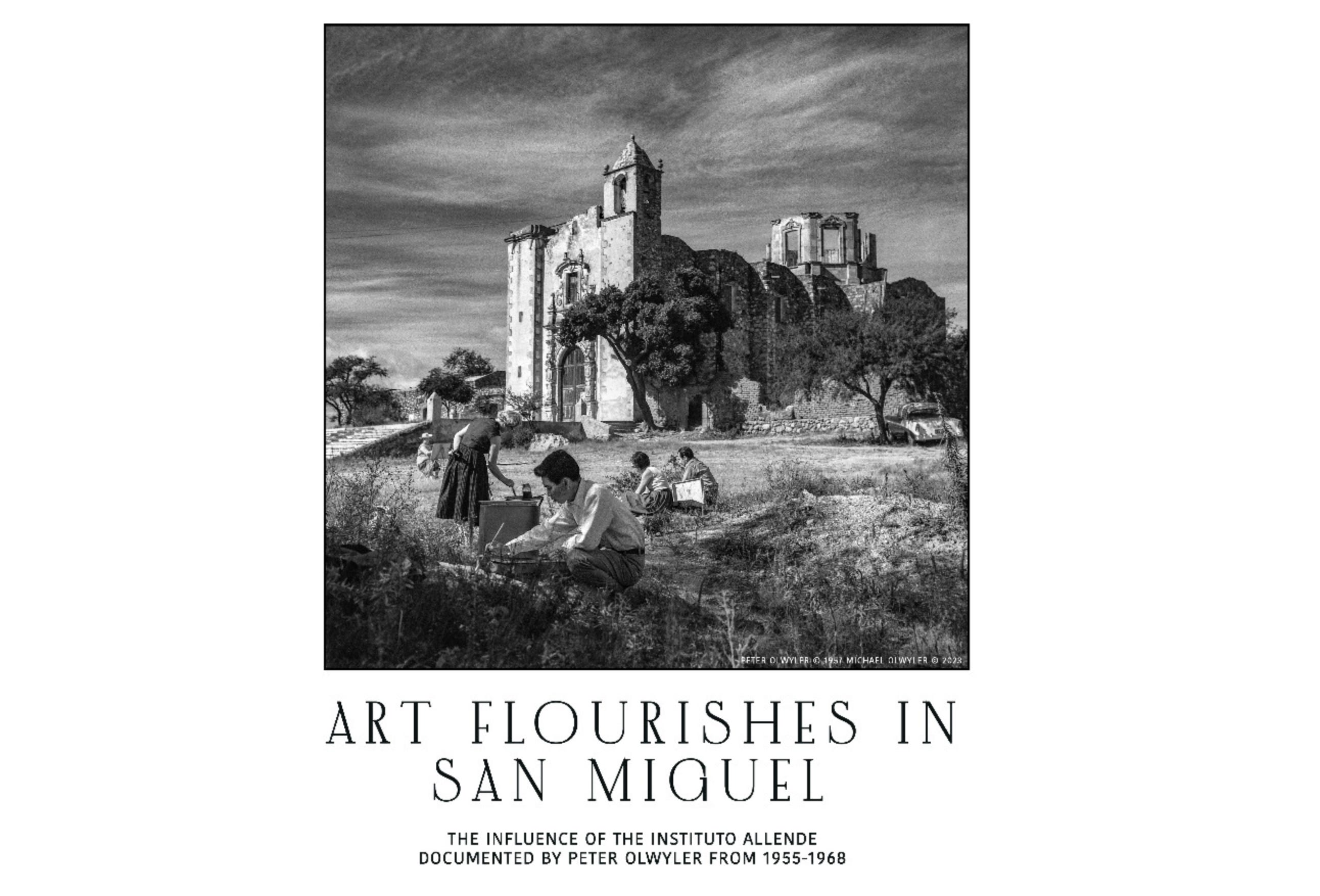
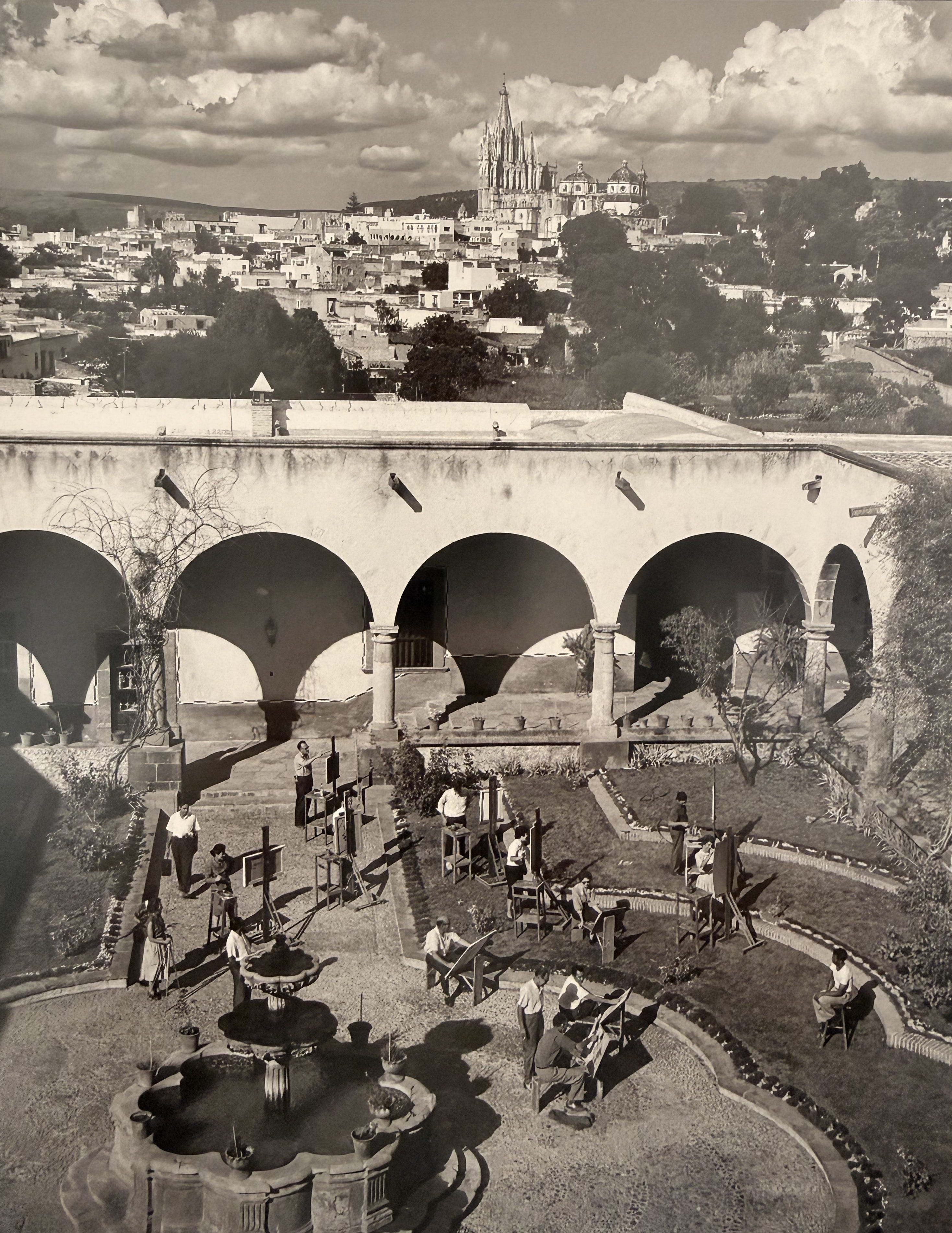
I’ve had similar feelings in Cuzco, Glastonbury, San Miguel de Allende – but I remember asking this question first in Iceland.
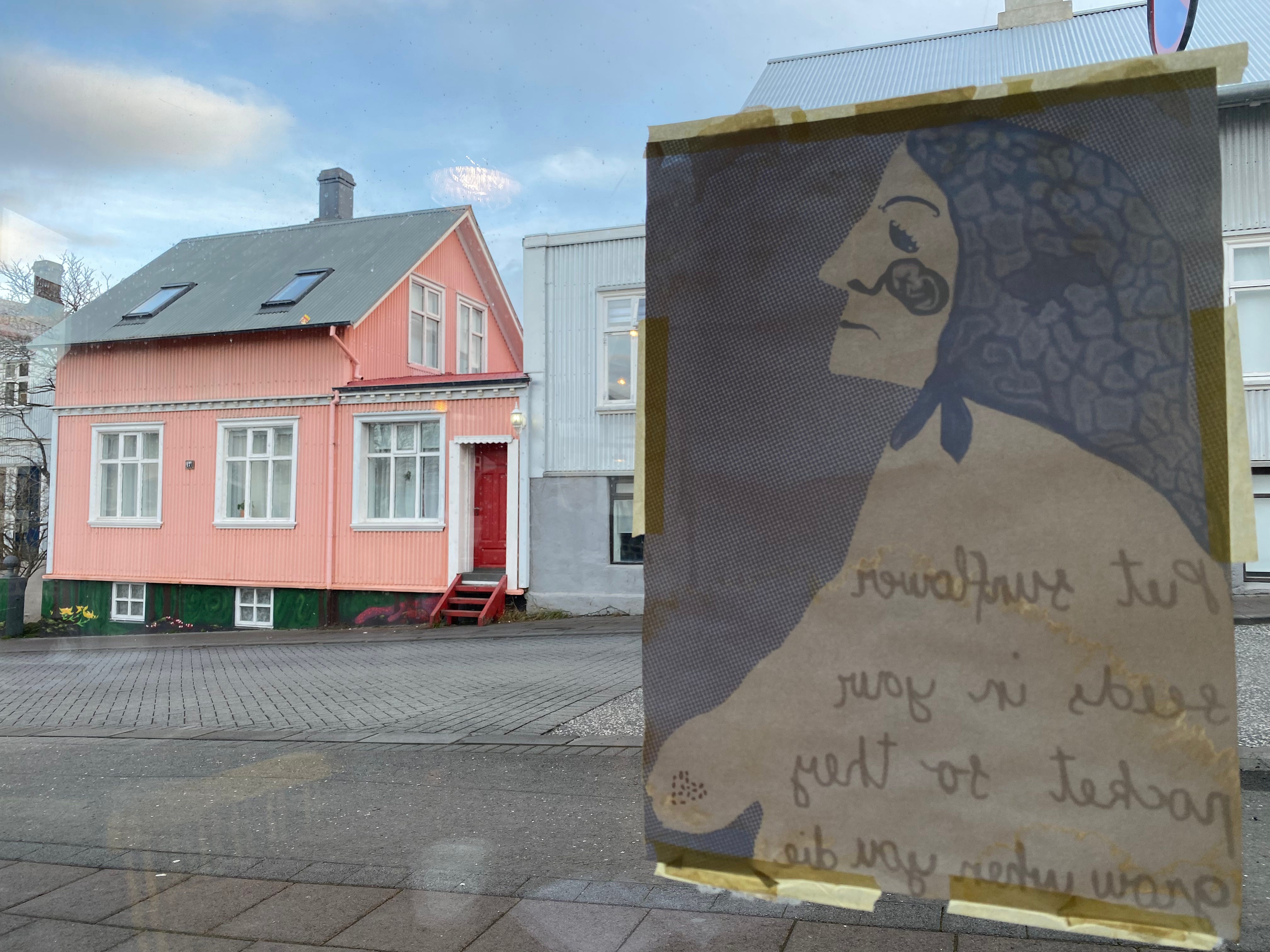
Iceland: Fire, Ice & Creativity
When I first traveled to Iceland in 2012, everyone I met seemed to have a creative practice. The pilot who was in a band. The marketer who painted. The comedian who became mayor. The country had a feeling about it. Creativity pulsed palpably throughout it.
Years later, I asked Icelandic author Alda Sigmondsdottir about it in a podcast interview: Iceland feels like a creative place. Is that true? If so, why is that?
She nodded emphatically. It IS a creative place! She later wrote a whole post confirming it. And yet…still couldn’t say for sure why.
As with Santa Fe, I have hunches.
While wildly different landscapes, New Mexico and Iceland share a feeling of otherworldliness. It goes back to Geography, then. The land, sea, sky, cosmos and milliard other invisible factors pull us. An area’s Po-wa-ha sparks a creative place.
But what about the milliard of places around the world that are equally as beautiful and awe-inspiring? Some pulse with creative charge, but others do not.
Surely other factors are at play.
Geography may bring people there – but something else keeps and sustain them there.
When I asked this question a month ago, a few of you alluded to two other factors I’d posited: an Encouraging Community and a viable Economic Ecosystem.
Pauline on a Community that encourages creating:
“I’ve always wanted to write and have done so quite irregularly, and only ever for myself. Then I had the chance to live in Edinburgh for a year, where the city and its people really value literature, creativity and nature. Being there and being around people like that helped me to write again, and feel that writing is not impossible, unrealistic or insurmountable.”
The groundswell of a supportive community seems to be part of the story of artists and writers gathering in Paris in the 1920s, visual artists gathering at the Tenth Street Studio Building in Greenwich Village in the mid 1850s, and comedians gathering in Austin, Texas today.
Jason Toon on an Economic Ecosystem that makes the work possible:
“I definitely think the economic factor is crucial. Either creativity has to be a plausible way of making a living, or there has to be less pressure to spend all your time making a living. Delta Blues musicians were able to survive on their performances; Swinging London rock bands were living off of student grants and the dole. Either way, they had time to spend making music.”
An economic ecosystem could include an industry that supports the work (Nashville for music, L.A./Mumbai for film/tv), patron support (The Renaissance in Florence), government subsidies (the G.I. Bill sparking an art hub in San Miguel de Allende), national priorities (the Nordics treating art as essential infrastructure), or simply affordable cost of living (Berlin post-Wall, Detroit today) that makes non-transactional creating possible.
Likely, it’s a combination of these, and more.
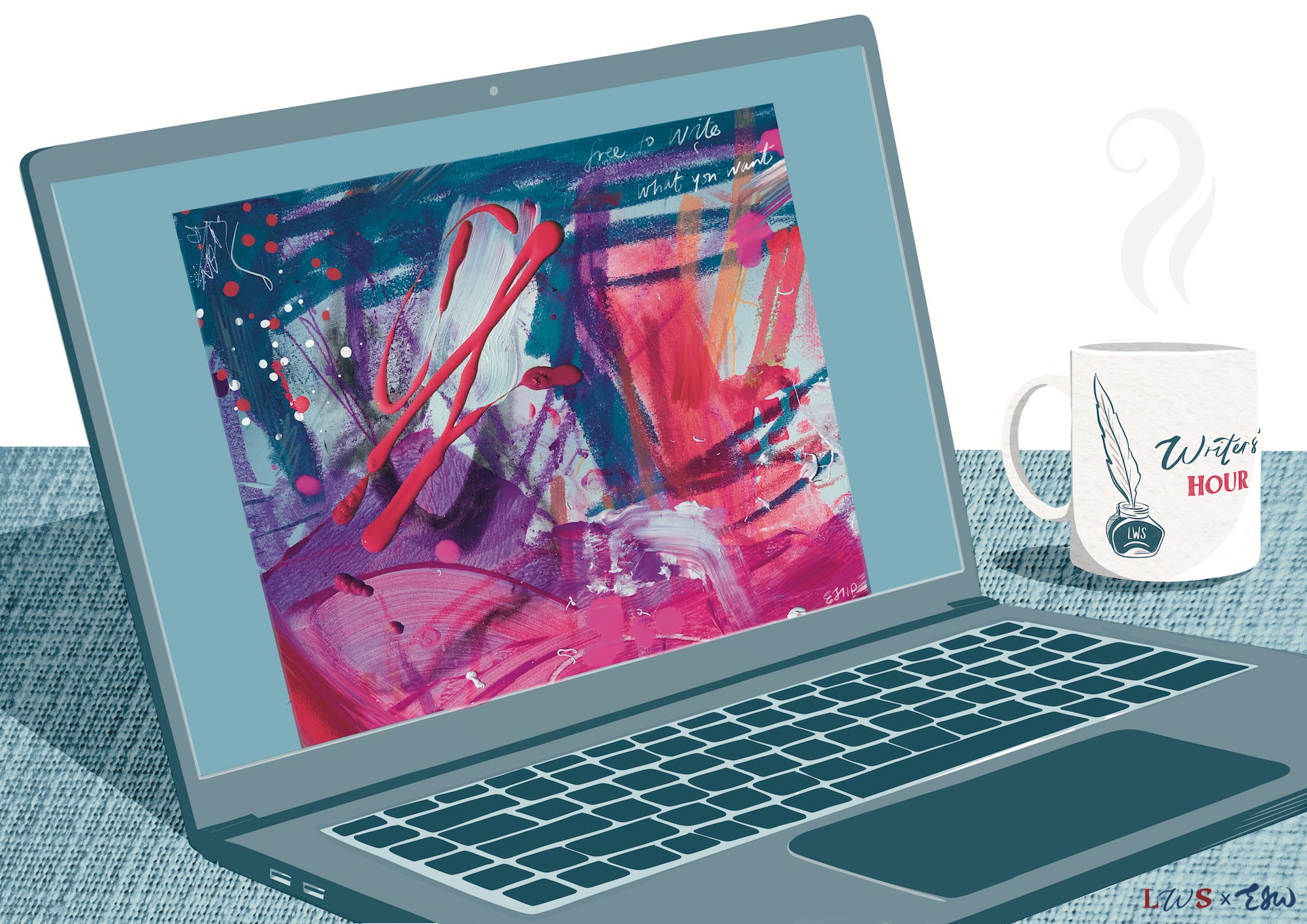
And what about a virtual space? Can Zoom, or an online community, be considered a creative place?
Prior to our Writers’ Hour live silent writing sessions London Writers' Salon taking off in 2020, I would have said an empathic No. But the thousand writers who join our daily Writers’ Hour silent writing session and annual 24-hour writing sprint would disagree.
Like Lynette reminds me…
Creative Places, Creative Indications
I didn’t leave Santa Fe an artist. I didn’t write my next great book there. The trip didn’t inspire me to rearrange my life and call it home.
But being there did influence me subtly, and creatively, in ways I didn’t realize until just now.
Months later, when moving into a new home, I recreated a piece of art I spotted in a Mexican restaurant outside of Santa Fe. My kitchen runner is reminiscent of the geometric tapestry and rugs displayed in gallery windows downtown. I chose burnt orange as an accent, a color that will forever remind me of sunset melting over tan adobe and craggy mountain under high desert air.
Plus, my deeper inquiry and interest – and this very post – around creativity and place, ripened there.
In obvious and understated ways, New Mexico did its work on me.
Mary Oliver once wrote: “No one yet has made a list of places where the extraordinary may happen and where it may not. Still, there are indications.”
This post is as much an inquiry as it is an invitation.
Where are those places? And what are those indications?
This is beginning of my exploration at the intersection of creativity and place.
My goal, if I’m able, and with your help, is to give Mary an answer.
Where are the places that pull you? What have you seen and experienced? What creative places and practices should I explore next? Feel free to comment below.
I live in NW New Mexico. The Land here IS art. Every single day. The air, the waters, the prairie dogs, the rocks, even the energized tumbleweeds...it's all living ART. I live here in challenge and gratitude every day.
Ley lines <333